
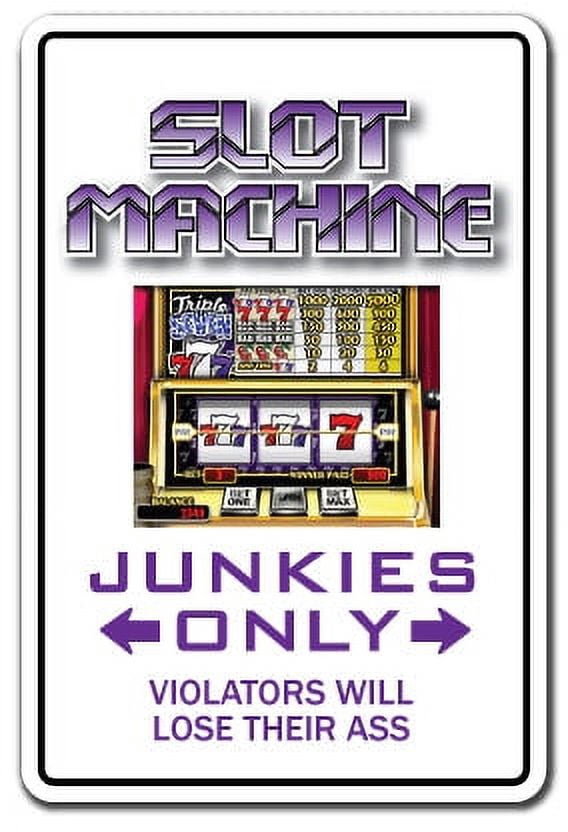
Slot Games: Jackpot or Junkie?
Introduction
Okay, let’s be honest. We’ve all been there, staring at the flashing lights and spinning reels of a slot machine, the promise of a life-altering jackpot dancing in our heads. Whether it’s the digital version on our phone or the real deal in a Vegas casino, the allure of instant riches is undeniably powerful. But beneath the surface of the fun and games lies a question we need to confront: Are slot games a harmless form of entertainment, or a potential gateway to a serious problem? Are we chasing a jackpot, or feeding a potential junkie?
This isn’t about being preachy or wagging fingers. It’s about understanding the potential impact, both short and long term, of these games and equipping ourselves with the knowledge to navigate them responsibly.
The Siren Song: Short-Term Thrills, Long-Term Bills?
The short-term appeal of slot games is obvious. They’re readily accessible, incredibly easy to understand (no complex rules to memorize here!), and offer immediate gratification – even if it’s just the fleeting rush of a small win. The flashing lights, the celebratory sounds, and the feeling of anticipation all contribute to a potent cocktail of excitement. Think of it like that sugary treat you indulge in after a long day. It tastes great in the moment, but the sugar crash that follows can be a real bummer.
Similarly, that initial win can feel amazing, triggering a dopamine release that makes you want to keep playing, hoping to replicate that feeling. This is where the danger starts to creep in. You might find yourself chasing losses, trying to recoup what you’ve spent, digging yourself deeper into a hole.
The long-term impacts, however, are far more significant. Financial strain is an obvious consequence. Losses can quickly mount, impacting your ability to pay bills, save for the future, or even provide for your family. But the damage goes beyond just money. Problem gambling can lead to strained relationships, as secrecy and lies erode trust. It can also contribute to stress, anxiety, depression, and even suicidal thoughts.
We’re talking about more than just losing a few bucks. We’re talking about potentially losing control of your life.
Why Are Slot Games So Addictive?
Several factors contribute to the addictive nature of slot games. Here are a few key players:
- Variable Ratio Reinforcement: Slot machines operate on a variable ratio reinforcement schedule. This means that payouts are unpredictable. You might win occasionally, but there’s no guarantee when the next win will come. This unpredictability keeps players hooked, as they believe the next big win is just around the corner. Think of it like fishing – you might not catch a fish every time you cast your line, but the possibility of a big catch keeps you coming back.
- Near Misses: Slot games are programmed to produce frequent “near misses,” where the symbols almost line up for a winning combination. These near misses create a sense that you were close to winning, encouraging you to keep playing. It’s like almost hitting a bullseye in darts – you feel like you’re getting better, even if you’re not.
- Accessibility and Convenience: With online casinos and mobile apps, slot games are available 24/7, making it easier than ever to gamble. The convenience can make it difficult to resist the urge to play, especially when you’re feeling stressed or bored.
Breaking the Cycle: Practical Solutions and Approaches
Okay, so we’ve established the potential risks. Now, let’s talk about what we can do about it. The good news is that there are practical and applicable solutions to help you stay in control.
- Set Limits (and Stick to Them!): This is the golden rule of responsible gambling. Before you start playing, decide how much time and money you’re willing to spend, and don’t exceed those limits. Many online casinos offer tools to set deposit limits, wagering limits, and session time limits. Use them!
- Example: “I’m only going to play for one hour, and I’m only going to spend $50. Once I reach either of those limits, I’m done.”
- Treat Gambling as Entertainment, Not a Source of Income: This is a crucial mindset shift. Remember, the odds are always in the house’s favor. Don’t gamble with money you need for essential expenses.
- Be Aware of Your Triggers: Identify the situations or emotions that trigger your urge to gamble. Are you more likely to gamble when you’re stressed, bored, or lonely? Once you know your triggers, you can develop strategies to cope with them in healthier ways.
- Example: “I notice I want to gamble when I’m feeling stressed after work. Instead of logging onto the casino, I’ll go for a walk or call a friend.”
- Take Frequent Breaks: Avoid playing for extended periods. Get up, stretch, and take a break every 30 minutes to clear your head. This can help you stay focused and avoid impulsive decisions.
- Seek Professional Help: If you’re struggling to control your gambling, don’t hesitate to seek professional help. There are many resources available, including therapists, support groups, and helplines. Organizations like Gamblers Anonymous and the National Council on Problem Gambling offer valuable support and resources.
- Case Study: Sarah, a 35-year-old woman, realized she was spending more and more time and money on online slots. Feeling ashamed and overwhelmed, she finally reached out to Gamblers Anonymous. Through group meetings and therapy, she learned coping mechanisms and developed a support system that helped her overcome her gambling addiction.
- Explore Alternative Activities: Find other hobbies and activities that you enjoy. This can help you fill the void that gambling may be filling in your life.
- Example: Instead of spending your evenings playing slots, try joining a sports team, learning a new language, or volunteering in your community.
Alternative Approaches: Tailoring Solutions to Your Needs
The truth is, what works for one person might not work for another. Here are a few alternative approaches to consider:
- Self-Exclusion Programs: Many casinos and online gambling platforms offer self-exclusion programs, which allow you to voluntarily ban yourself from gambling. This can be a helpful option if you need a more drastic measure to stay in control.
- Financial Counseling: If you’re struggling with debt due to gambling, consider seeking financial counseling. A financial counselor can help you create a budget, manage your debt, and develop a plan to get back on track.
- Mindfulness and Meditation: Practicing mindfulness and meditation can help you become more aware of your thoughts and feelings, making it easier to resist impulsive urges.
Conclusion: Taking Control and Reclaiming Your Life
The relationship between slot games and individuals is complex. While they can offer a fleeting moment of excitement, they also carry the potential for significant harm. The key lies in awareness, understanding, and taking proactive steps to protect yourself.
This isn’t about demonizing slot games entirely. It’s about recognizing the risks and making informed decisions. It’s about understanding that the jackpot isn’t worth losing your financial security, your relationships, or your mental health.
By setting limits, being mindful of your triggers, and seeking help when needed, you can enjoy slot games responsibly or find healthier ways to fill your time and manage your emotions. The choice is yours. Take control, reclaim your life, and remember that the greatest jackpot is the one you create for yourself – a life filled with purpose, connection, and well-being. You have the power to choose your path. Choose wisely.
